Headline: IP 28 Is the Wrong Direction for Oregon
First, let’s face it - if IP 28 passes it will fundamentally change the way of life for the worse for every single Oregonian. This may be the single dumbest idea ever proposed since the inception of Oregon’s initiative and referendum process.
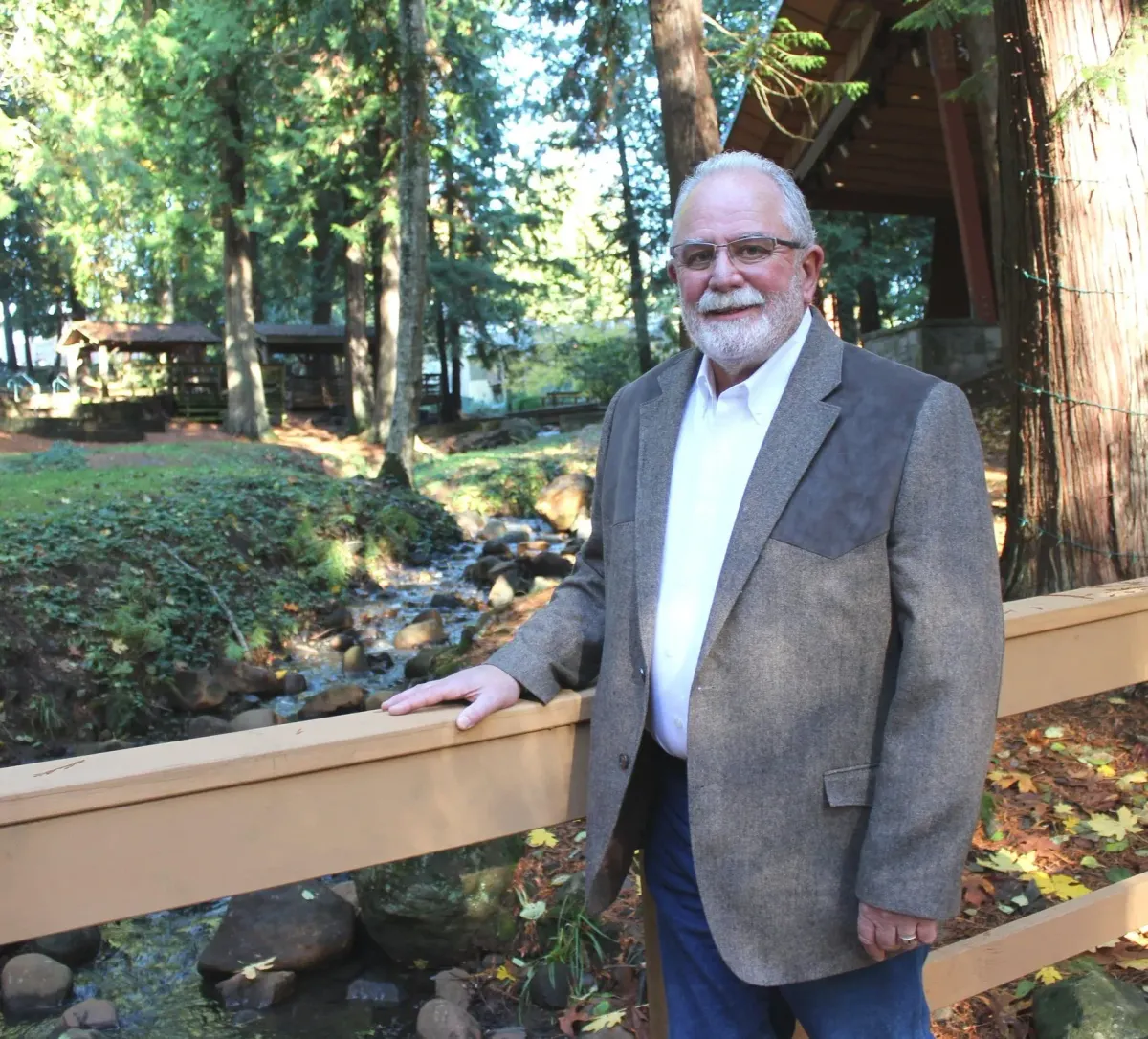
By Rep. Matt Bunch, For The Sandy Standard
First, let’s face it - if IP 28 passes it will fundamentally change the way of life for the worse for every single Oregonian. This may be the single dumbest idea ever proposed since the inception of Oregon’s initiative and referendum process. That said, as a past President of our Clackamas County Fair and someone who’s been very involved in Future Farmers of America (FFA) programs for our local students, I’d like to highlight the devastating impacts IP28 will have on this community if passed in November.
Oregon has a long and proud agricultural tradition. From family farms and ranches to county fairs, rodeos, and FFA programs, agriculture is woven into the fabric of our communities.That’s why I’m concerned about Initiative Petition 28 (IP 28) and the consequences it could have for farmers, rural Oregon, and families across our state.
Supporters of IP 28 may have good intentions, but the reality is that this measure would create serious challenges for the people who grow our food, raise livestock, and contribute billions of dollars to Oregon’s economy.
Agriculture is one of Oregon’s largest industries. Farmers and ranchers already face rising costs for fuel, equipment, feed, labor, and regulations. Many operate on thin margins and work long hours simply to keep their operations going. IP 28 would add another layer of uncertainty and make it more difficult for many producers to continue doing what they do best — providing safe, affordable food for Oregon families.
The impact would extend well beyond the farm gate.
Across Oregon, thousands of young people participate in FFA and 4-H livestock programs. These programs teach responsibility, leadership, work ethic, and stewardship. Students learn firsthand where food comes from and gain skills that serve them throughout their lives. Many future farmers, veterinarians, business owners, and community leaders got their start through these experiences.
County fairs and rodeos are also an important part of life in communities like Canby, Estacada, Sandy, and throughout rural Oregon. They bring families together, celebrate our agricultural heritage, and support local economies. Small businesses, restaurants, vendors, equipment suppliers, and countless others benefit from these events every year.
IP 28 threatens more than an industry: it threatens a way of life.
At a time when Oregon families are already struggling with affordability, we should be focused on strengthening local food production, supporting family farms, and keeping costs under control. Policies that make it harder to raise livestock or increase costs for producers eventually affect consumers as well. Higher costs on the farm often translate into higher costs at the grocery store.
This measure also reflects a growing disconnect between urban policymakers and rural communities. Too often, decisions are made without fully understanding the real-world consequences for the people who live and work closest to the land. Farmers and ranchers are among the best stewards of our natural resources because their livelihoods depend on it. They deserve a seat at the table and policies that support their work, not measures that make it harder.
Oregon's future depends on strong rural communities, a healthy agricultural economy, and opportunities for the next generation to learn, grow, and succeed. We should be investing in those priorities rather than putting them at risk.
As your State Representative, I will continue standing with farmers, ranchers, FFA students, fair boards, rodeo organizers, and rural families. Oregon’s agricultural heritage is worth protecting, and I will continue fighting to ensure it remains strong for generations to come.
Matt BunchState Representative, House District 51