
Why Are We So Reactive Right Now?
By Dr. David Wenzel, for The Sandy Standard
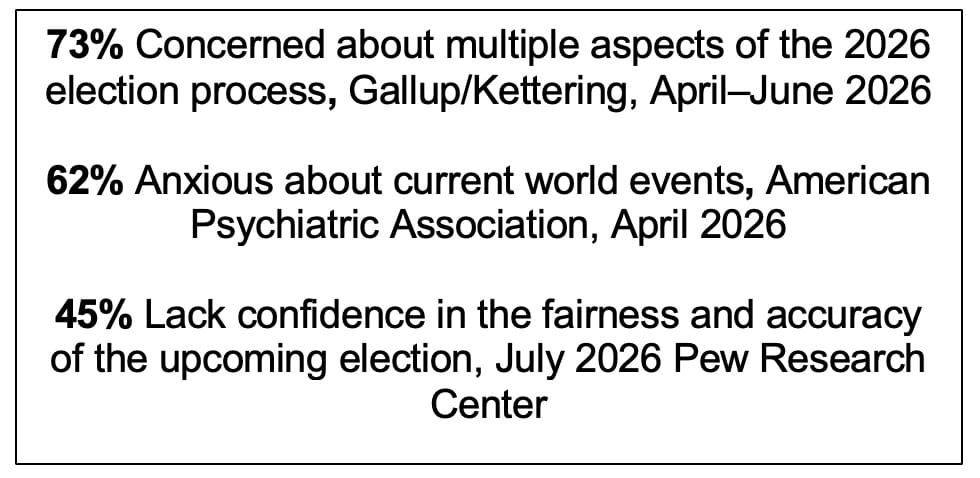
Have you noticed how angry everyone seems to be lately? Conversations that once involved friendly disagreements can quickly become heated arguments. Family members avoid certain subjects at gatherings. Social media has become a battleground where people who have never met exchange insults with remarkable confidence. And with another election just days away, the emotional temperature seems to be rising.
What's going on with us?
Our nervous systems evolved to help us survive threats. When we perceive danger, our bodies respond automatically. Heart rates increase, muscles tighten, and stress hormones prepare us to fight, flee, or freeze. This is wonderfully useful when encountering a bear in the woods. It's considerably less useful when encountering an irritating political opinion on Facebook.
Yet our brains don't always distinguish very well between physical threats and psychological ones. Challenges to our deeply held beliefs, our sense of belonging, or our understanding of the world can activate some of those same defensive responses.
And we're feeding those responses constantly. Alarming headlines, disturbing videos, and angry commentary follow us, often invited by us, everywhere. Our phones deliver an endless stream of reasons to be frightened, offended, or outraged. Social media algorithms often reward the very content that provokes our strongest emotional reactions. Outrage keeps us engaged, and engagement keeps us scrolling.
In a former life, before becoming a counselor, I graduated with a degree in political science and worked for a congressman. One of the first lessons I learned while working on campaigns was that we weren't particularly interested in changing anyone's mind. I was young, idealistic and surprised. We weren't expecting people on the other side to see one of our political ads, reconsider their convictions, and suddenly join our team. Our objective was much simpler: get our people to vote.
And one of the most effective ways to motivate people is to frighten them (them being you and me). Political campaigns aren't particularly concerned about the health of your nervous system or the quality of your relationships. Their job is to win elections, and fear, anger, and outrage are powerful motivators. Political advertisements can exaggerate threats, distort information, and portray the opposition in frightening terms. Not to help you think more clearly, but to get you sufficiently alarmed to take action. In a very real sense they are victimizing us.
And lest we become too self-righteous, this isn't limited to the political party we dislike. We would do well to examine messages coming from our own side with equal skepticism.
Meanwhile, long after the political advertisement has ended, we're left carrying the anxiety, anger, and suspicion it stirred up. The campaign gets your attention. Your nervous system pays the price.
So what can we do?
First, pay attention to what you're feeding your mind. Staying informed is important, but being constantly immersed in political commentary is not the same as being informed. Limit your news consumption. Turn off unnecessary notifications. Take a walk. Have dinner without your phone.
Second, recognize when your nervous system is becoming activated. Notice your breathing, muscle tension, and that sudden urge to correct someone. Sometimes the healthiest response is simply to pause, breathe slowly, and allow your body to settle before speaking.
Third, practice curiosity. The person with the political sign you dislike probably has a life every bit as complicated as yours. They have people they love, worries that keep them awake, disappointments they've endured, and hopes for the future. Their conclusions may be very different from yours, but that doesn't make them less human.
Understanding someone doesn't require agreeing with them. And kindness doesn't require surrendering your convictions.
In a few days, votes will be counted. Some will celebrate, others will be disappointed, and many will experience a complicated mixture of emotions.
But the people living next door will still be our neighbors. We'll still encounter one another at the grocery store, on the trails, and in our local coffee shops.
Perhaps one of the most important things we can do for our communities right now is to lower the emotional temperature, beginning with ourselves.
We need more curiosity, more humility, and nervous systems calm enough to remember that the people across from us are human beings, not enemies.
Dave Wenzel is a longtime Sandy resident and Licensed Professional Counselor with more than 35 years of experience working with individuals, couples, and families. He and his wife, Hollis, operate River Ridge Counseling. You can send thoughts and questions to davewenzel14@gmail.com